





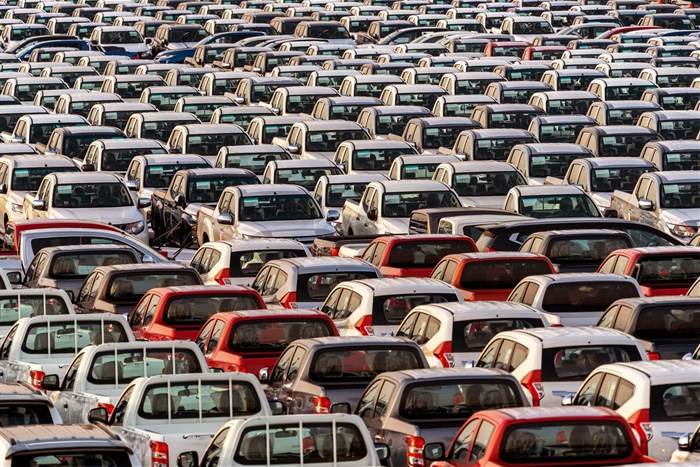
A total of 1 380 new vehicles were sold in August, down from the 1 535 units in July, the first monthly contraction since May.
However, despite the pullback, sales remained higher on a year-on-year basis.
In an analysis of the sector, IJG Securities reported that 10 760 units were sold year to date, up 12.1% over the same period last year, the strongest January-to-August tally since 2015.
“Rolling 12-month sales rose to 15 711 units, the highest level since September 2016,” the analysts report.
The transport division swung from deflation in August 2025 to 13.2% inflation in August 2026, following the rise in petrol and diesel prices and the partial reversal of the fuel levy cut during the month.
“The purchase of vehicles remained subdued, indicating the cost pressure sits in running a vehicle rather than buying one – a unique trait currently protecting in-store sales,” the analysts say.
Passenger vehicle sales fell to 634 in August, from 755 units sold in July, the strongest passenger month since July 2015.
“On a year-to-date basis, passenger sales increased 8.7% year on year to 4 968 units, but the August sales trailed the 746 commercial vehicles sold, a prevalent pattern for most of 2026,” IJG says.
Commercial vehicle sales proved resilient, slipping by 34 units in August with year-to-date sales standing at 5 792 units, and pointing to sustained business investment.
Light commercial vehicles accounted for most of the monthly decline, falling to 615 units. Medium commercial vehicles recovered from a weak July, rising to 30 units though year-to-date sales of 211 units are marginally below last year.
Heavy commercial vehicles were the strongest performer, with 101 units sold during the month, marking the highest monthly sales level since 1998.
Sales increased by 24.7% month on month and were 165.8% higher than the 38 units recorded in August 2025.
“Year to date, heavy commercial vehicle sales reached 608 units, representing a 51.2% increase from the prior year and reflecting sustained activity across the mining, logistics and construction sectors,” the analysts say.
Toyota continued to lead the market across the two largest vehicle segments, accounting for 51.6% of passenger vehicle sales and 67.1% of the light commercial vehicle market.
Volkswagen ranked second in the passenger vehicle segment with a 14.3% share, and Chinese brands continued to gain ground with Haval, Jetour and Chery accounting for 5.9%, 5.8% and 2.3% of the passenger vehicle market, respectively.
In the light commercial segment, Ford with 9.5%, and Isuzu at 4.6% remain the closest challengers to Toyota, with Volkswagen, JAC and GWM rounding out the top six.
Toyota also heads the medium commercial segment, with Mercedes-Benz following at 16.6%, ahead of Hino and FAW.
Powerstar leads the heavy commercial segment with 18.4%, narrowly ahead of Shacman on 17.6%, with Scania, Hino, FAW and Volvo Trucks following in that order.
– email: matthew@namibian.com.na