Cabinet’s decision to involve itself in cancelling a N$40 million technology tender initially awarded to a US company could set a dangerous precedent – allowing politicians to meddle in tenders whenever they feel like it.
The agriculture ministry awarded American company 6th Grain the tender to use satellite imagery and artificial intelligence to monitor the production of key staple crops, including maize, mahangu, millet, sorghum and wheat.
The way the tender was approved drew criticism, including concerns about whether a “strategic national project” should be entrusted to a foreign company.
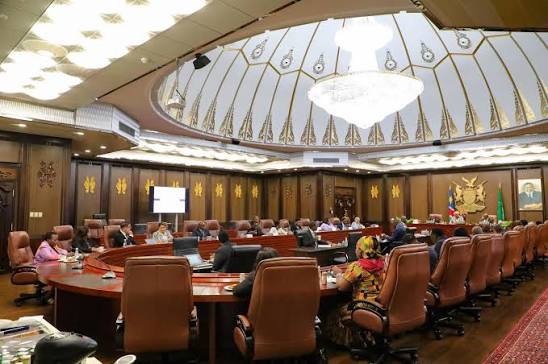
Cabinet then stepped in and this week instructed the agriculture ministry to cancel the tender.
However, the big picture is that the Cabinet, once again, appears to be taking populist decisions that could ultimately undermine respect for public institutions.
Lest The Namibian be accused of sympathising with Donald Trump’s increasingly imperious America, it is not about the country of the company involved.
Rather, as a matter of principle, the Cabinet should not involve itself in individual procurement decisions irrespective of how well-intentioned its intervention may be.
Today it is 6th Grain. Tomorrow it could be another company or another tender, with the Cabinet again bowing to political pressure or public sentiment.
If this becomes accepted practice, there is little to prevent political leaders from meddling in procurement decisions when it suits them.
That is also why The Namibian raised concerns when the Cabinet directed the Meatco board to reinstate its former chief executive Mwilima Mushokabanji after the board chose not to renew his contract last year.
When Cabinet directives override statutory provisions or bypass appointed boards, they weaken corporate governance and violate the constitutional guarantee of lawful, procedurally fair administrative action.
Political interference can also create a fear of taking decisions across parastatals and ministries as it might result in them trying to second guess themselves.
Broadly speaking, it is time board appointments are insulated from undue political pressure.
Where administrative flaws or illegalities occur in procurement or corporate decisions (non-compliance, for example), the remedy is a statutory channel not a hasty Cabinet directive.
Executive standoffs and top-down directives leave public entities under prolonged acting management, and risk stalling long-term decisions and driving away qualified leaders.
This week, the government made the right call in extending work visas to five years, a move that could help attract investors seeking more certainty.
In the same week, Cabinet signalled it would intervene in tenders whenever it wished.
Ministers may see these interventions as necessary corrections, or as matters of national security.
However, if unchecked, executive overreach undermines institutions.