





For years, Namibia’s creative industries have largely been discussed through the lens of culture.
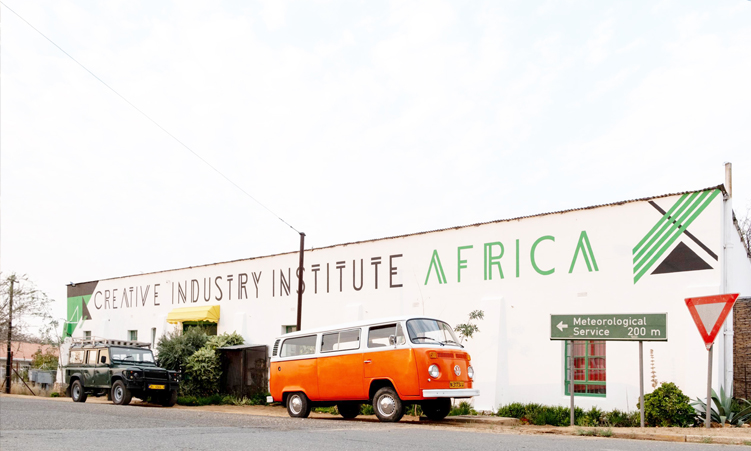
The Creative Industry Institute Africa (CIIA) wants that conversation to change, with the sector treated increasingly as a source of businesses, jobs, intellectual property and trade.
The institute, established as an independent Namibian non-profit organisation, works across research, market development, capacity-building, advocacy and international cooperation.
But its origins are less about creating an institution than trying to understand an industry whose different parts often operate separately.
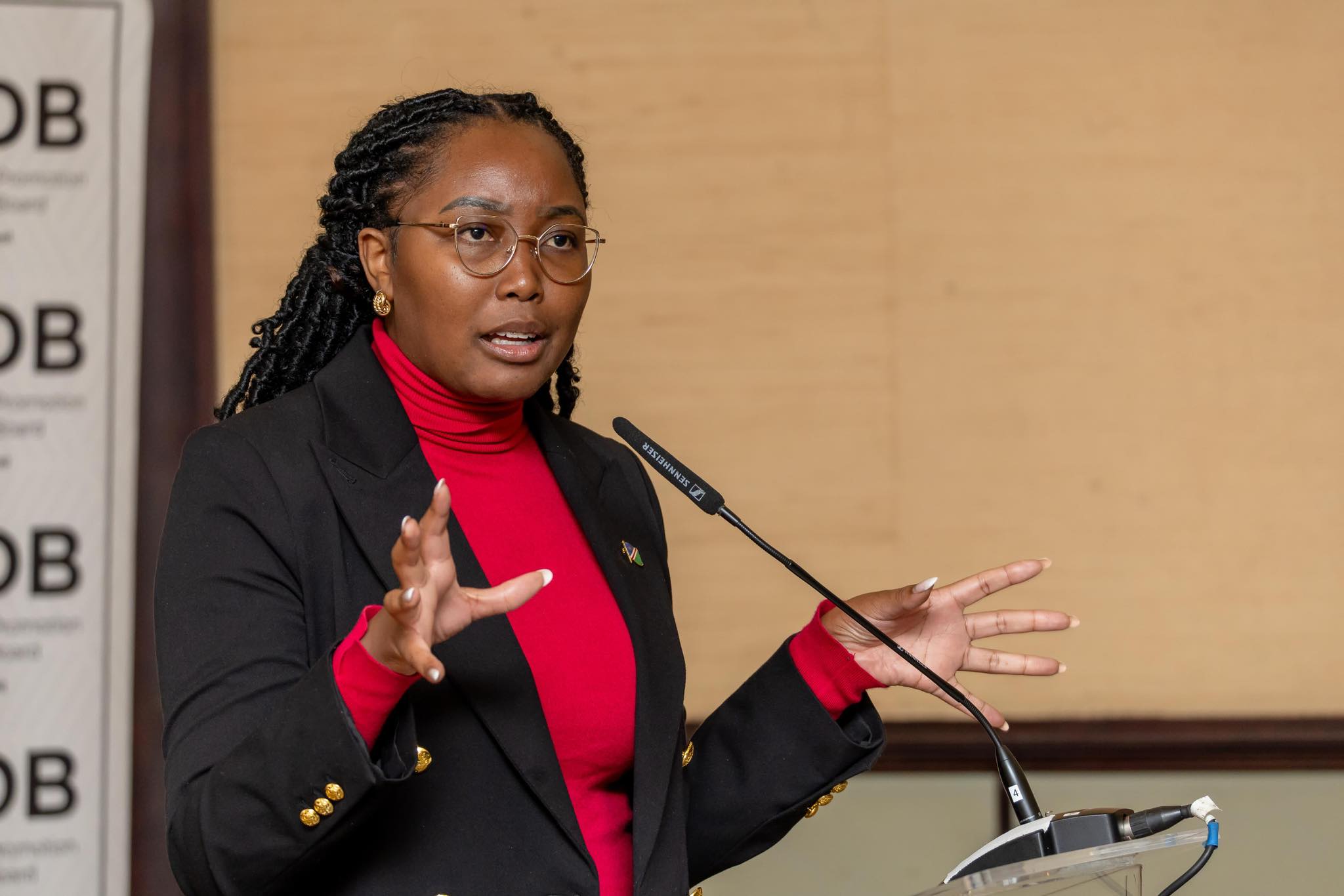
CIIA development manager Olivia Heinonen says the work began with the founders’ experience in film.
“Film sits at the intersection of culture and commerce and relies on an entire ecosystem, from music, fashion and performance to design, craft, architecture, visual arts and technical production,” she says.
Working in the industry raised practical questions about who was working in Namibia’s creative sector, where they were based and what they were capable of doing.
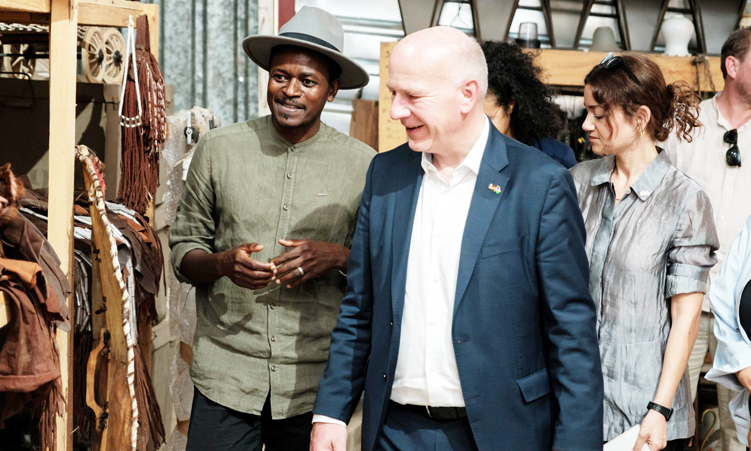
“The CIIA was, therefore, established to better understand and make visible Namibia’s creative economy, connect its different parts and strengthen the collective case for investment and development,” Heinonen explains.
The institute’s argument is that much of the expertise needed already exists in Namibia, but is spread across individuals, businesses, institutions and communities that do not always connect.
“Many creatives still operate within relatively small or informal networks, while government, funders, training institutions, investors and potential clients may not know where to find the expertise they need or how best to engage with the sector,” Heinonen says.
For the CIIA, connecting those parts is also about changing how Namibia thinks about economic value.
“Ultimately, we believe that Namibia’s future economy cannot only be driven by what we extract from the ground. It must also be driven by what our people create – their ideas, innovation, culture and intellectual property,” Heinonen says.
BUILDING CONNECTIONS
The institute’s work has developed as the creative industries have gained greater recognition as an economic sector.
Heinonen says the focus is now moving from convincing people that the sector matters to determining what needs to be done to make it economically sustainable.
“For the CIIA, that means the question is increasingly shifting from recognition to implementation: How do we translate that interest into stronger businesses, employment, investment, infrastructure and access to markets?” she asks.
One of the institute’s main projects is the Creative Industry Guide, which began in 2018 and has evolved into an online directory.
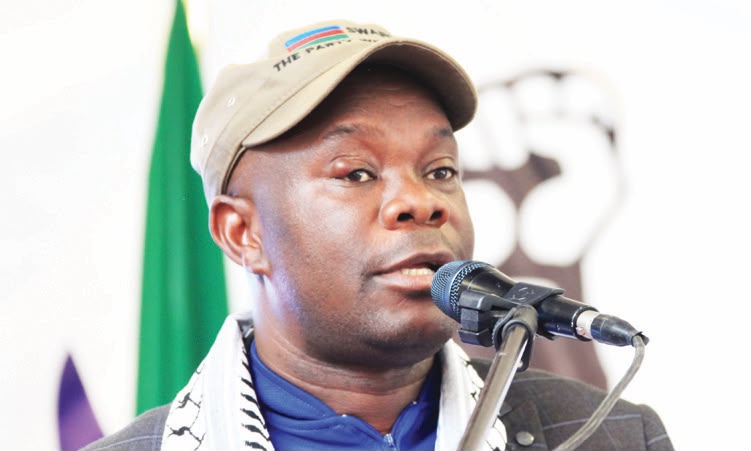
CIIA co-founder Joel Haikali says the latest mapping campaign is intended to provide a clearer picture of the sector.
“At the moment, we still struggle to answer some very basic questions with current evidence: How many creative businesses are there? How many people do they employ? How much economic activity do they generate? How formalised is the sector? Where are the businesses and practitioners located? Which markets are they reaching? And what is preventing them from growing?” Haikali says.
The online platform allows creatives and businesses to create profiles, while those already listed in previous editions can claim and update their listings.
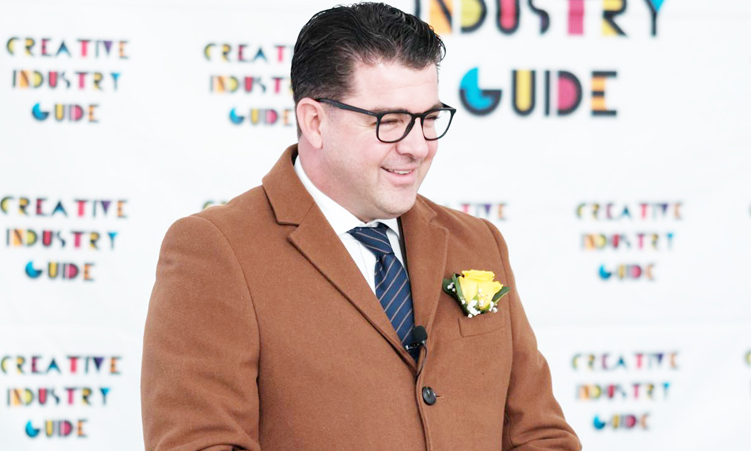
Haikali says the move to an online platform was prompted by the difficulty of keeping printed information current.
“We want the Creative Industry Guide to become a living platform rather than a publication that is periodically updated,” he says.
The national mapping campaign is also intended to reach people outside established industry networks and Windhoek.
“Namibia is a big country and you cannot map it entirely from behind a computer,” Haikali says. “We need regional partners and networks, and we need to be able to go into communities and meet people where they are.”
He says the data should ultimately inform decisions on financing, training and market access.
“If the data shows, for example, that a particular subsector has strong market-ready businesses but limited access to finance, that becomes evidence for designing a funding intervention,” Haikali says.
USING THE EXISTING SKILLS
The CIIA’s work extends beyond data collection.
The institute has developed Propaganda, a props and costume rental resource in partnership with the Namibia Film Commission and the Filmmakers Association of Namibia.
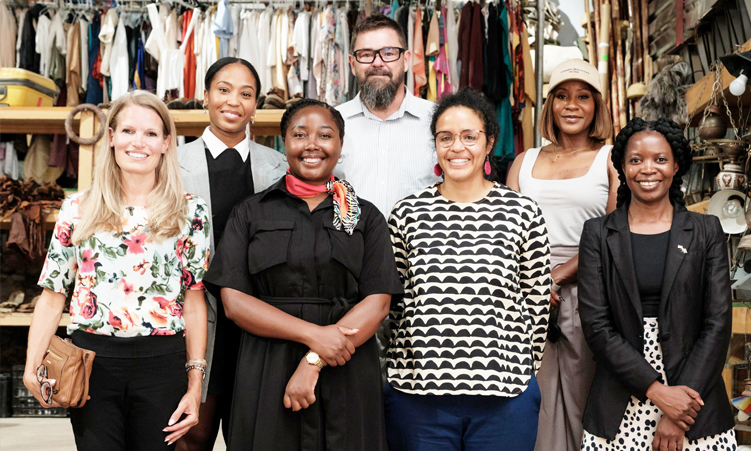
Heinonen says the initiative is intended to address production needs while also preserving skills and knowledge.
“Over time, we want to document and preserve traditional objects, production techniques and the knowledge associated with them by working with craftspeople and knowledge keepers,” she says.
The CIIA is also involved in international cooperation, including the Sister Cities in Action partnership linking Windhoek with Berlin, Mexico City and Jakarta.
Heinonen says the institute is interested in creating more opportunities for Namibian creative businesses to participate in international markets, while also looking towards the African market under the African Continental Free Trade Area.
“We need to better understand what currently prevents creative businesses from taking advantage of those opportunities and what mechanisms could support them,” she says.
She also believes creative businesses need to be included more deliberately in discussions about trade, investment, entrepreneurship and exports rather than being treated only as part of the cultural sector.
That shift, however, comes with limitations.
Heinonen says the CIIA does not currently have the core funding to perform all the functions it believes it could undertake.
“We, therefore, are realistic about what we can deliver with the resources available,” she says. “That does not mean the ambition is limited.”
For Haikali, the challenge is ensuring that the mapping campaign does not become another database that is eventually forgotten.
“Information only becomes valuable if it is used,” he says.
The institute plans to analyse and publish the findings and share them with the government, industry and other role-players.
“Ultimately, success is not just how many people register. It is whether we keep using what we learn to make the sector more visible, strengthen our advocacy, inform practical interventions and create better opportunities,” Haikali says.
Looking ahead, Heinonen says the CIIA wants Namibia to develop an economy in which creative ideas can be developed locally and connected to markets across Africa and beyond.
“Our bigger vision is to see Namibia become recognised as a place where creative ideas and innovation can be developed, tested, funded and produced and connected to markets across Africa and beyond,” she says.
For the institute, the longer-term measure will be whether those connections translate into livelihoods and businesses for Namibians.
“Ultimately, the legacy we would value is having contributed something useful and lasting to a creative economy in which more Namibians can build meaningful work, businesses and value from their creativity and knowledge,” Heinonen says.