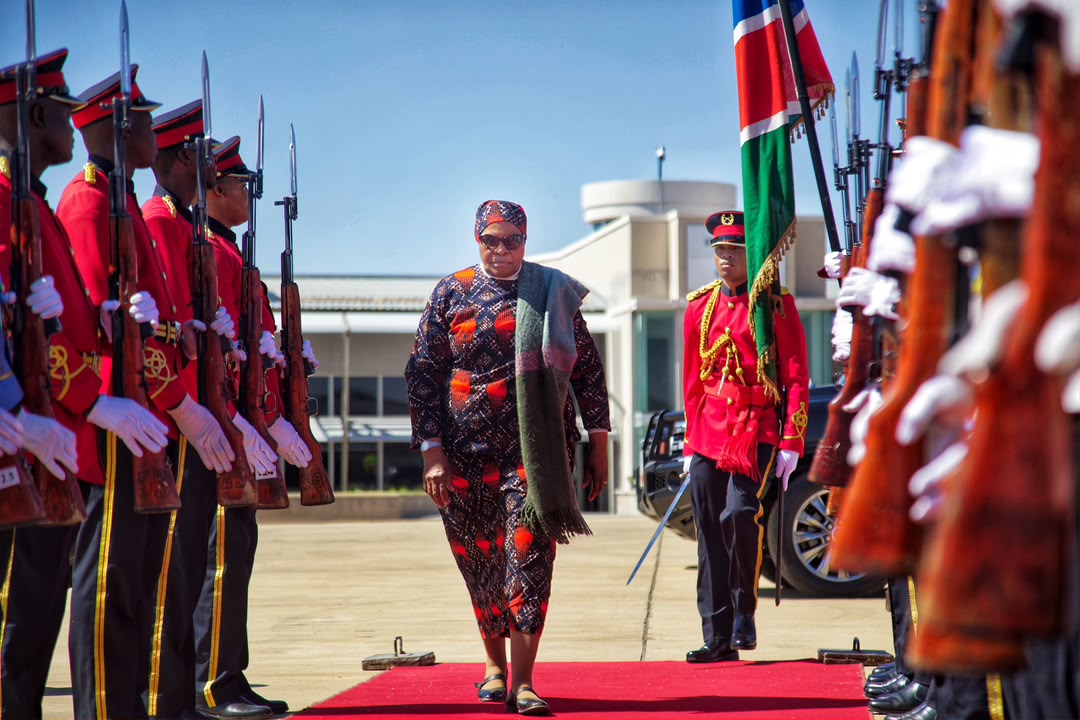






President Netumbo Nandi-Ndaitwah should be commended for opposing seabed phosphate mining in the Atlantic Ocean.
She is right. Namibia should not be a guinea pig for an industry that remains untested.
New Zealand’s Environmental Protection Authority blocked marine phosphate mining in February 2015 after establishing that the damage to the seabed would be significant and permanent.
“The destructive effects of the extractive activity, coupled with the potentially significant impact of the deposition of sediment on areas adjacent to the mining blocks and on the wider marine environment, could not be mitigated by any set of conditions or adaptive management regime that might reasonably be imposed,” the New Zealand authority said at the time.
That is something we could and should learn from New Zealand: clarity.
The decision by environmental commissioner Timoteus Mufeti to grant Namibian Marine Phosphate (NMP) an environmental clearance certificate on 5 August exposes the lack of a clear policy position on seabed phosphate mining. This more than a decade after the issue first surfaced.
The problem is not that Mufeti made a decision the president disagrees with. If anything, Mufeti exercised the statutory powers given to the environmental commissioner.
But the strong reaction from political leaders shows there is a systemic problem that urgently needs to be fixed.
For more than a decade, this controversy has been dragged through executive corridors and courtrooms. It should have long been sorted out with a decisive ‘yes’ or ‘no’ once and for all.
In a way, the government’s dilly-dallying has allowed NMP to continue preaching the gospel of coexistence between marine mining and fisheries for years.
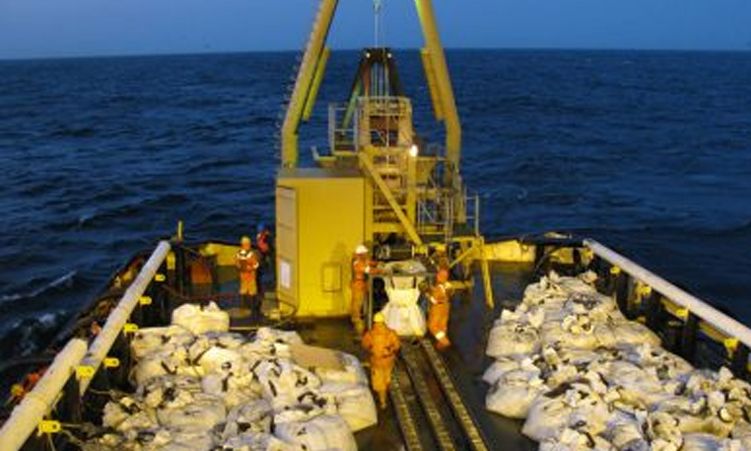
NMP says it plans to produce three million tonnes of phosphate concentrate a year for export as fertiliser. Its own environmental impact assessment says this would require dredging 5.5 million tonnes of marine sediment.
To be fair, Namibia cannot continue dangling a carrot in front of Namibian Marine Phosphate’s investors, including Knowledge Katti and Mohammed al Barwani, the Omani owner of Mawarid Mining, which holds the majority stake.
They are entitled to know whether the project has a future before they invest more money in it.
Beyond certainty lie potential dangers. There is no commercial marine phosphate mine operating anywhere in the world.
Namibia’s marine phosphate project would be a first.
The Confederation of Namibian Fishing Associations has, rightly, opposed the clearance, as has the Independent Patriots for Change.
Fisheries minister Inge Zaamwani told an annual fisheries gathering at Walvis Bay in August last year that the sector contributed 4.1% of gross domestic product in 2024 and earned N$13.8 billion in exports. It employs around 20 000 people.
That contribution already represents a drop: It is down from 4.5% the year before on reduced catch limits for hake and horse mackerel. A renewable food industry losing ground to declining stocks cannot afford an untested experiment in the same seabed.
Perhaps political leaders are aware of the potential blowback if the approval backfires.
The president, in particular, must know what is at stake in the Erongo region, where the scars of the Fishrot corruption scandal still affect lives and livelihoods.
Whatever the political calculations, the government owes the country a clear policy which sets out whether seabed phosphate mining has a place in Namibia’s future or not.
Last year, Nandi-Ndaitwah told the United Nations that the pressures confronting the world were “interconnected symptoms of a deeper fragility in our shared systems”.
The ocean is one of those shared systems. Namibia now has an opportunity to show what those words mean in practice.
After all, the president once served as environment minister.
Decisions on how we use our marine resources should be guided by a clear public policy, not left to be settled piecemeal through political indecisiveness and court challenges.
Former leaders have made their stance clear publicly.
In 2013, former president Sam Nujoma roundly rejected marine phosphate mining.
“These imperialists think we Africans are stupid, and they want to destroy our fisheries resources – which is the future of our children. They must go back to Australia,” he said.
Over to you, president Nandi-Ndaitwah.