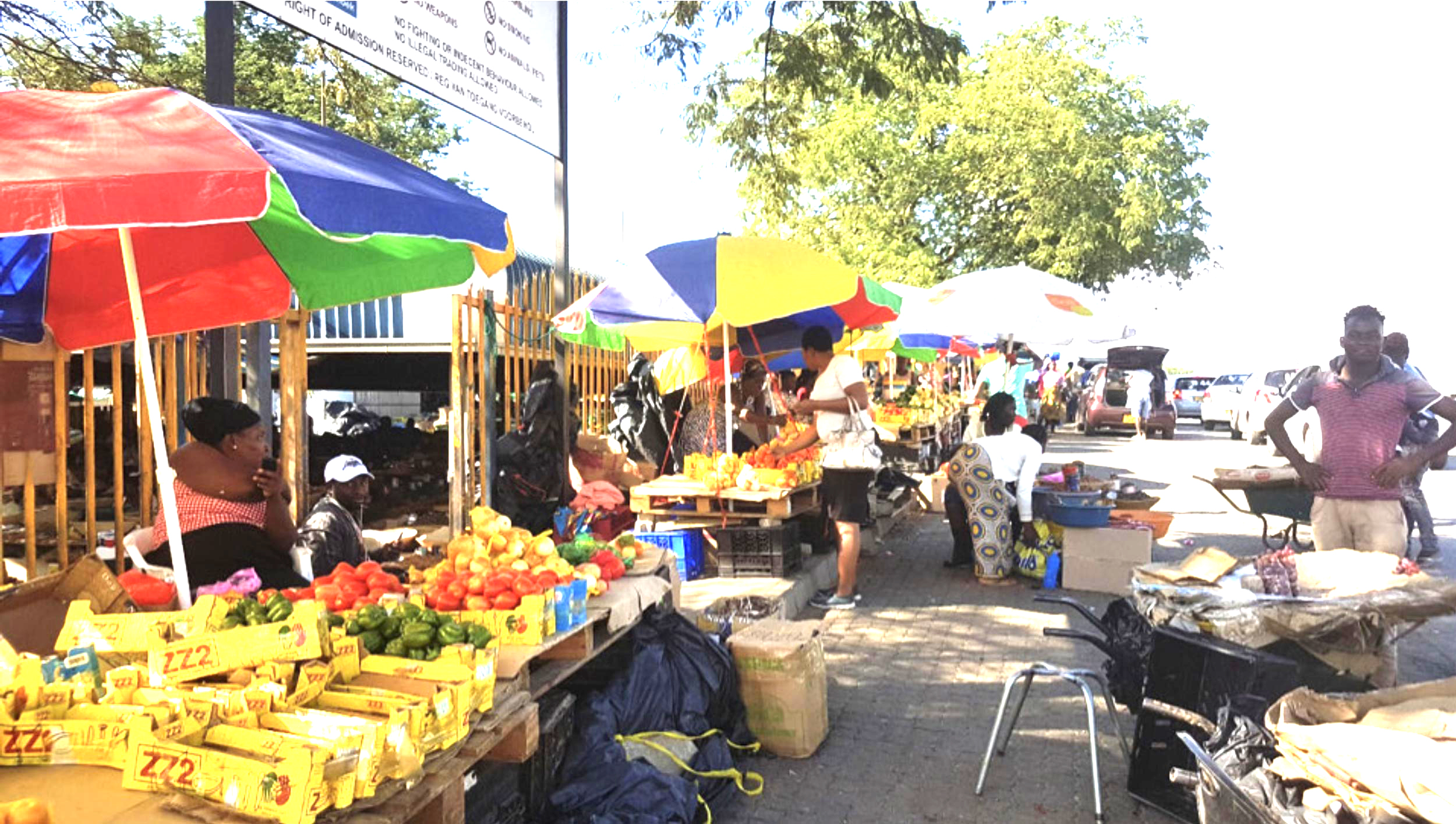
The government has recognised the vital role the informal economy plays in the development of the country with the establishment of a National Technical Committee on Institutionalisation of the Informal Economy.
This was said on Monday by Tangeni Shindondola, the executive director of the Dynamic Informal Traders Association that advocates for micro, small, and medium enterprises (MSMEs) and the informal trade sector in Namibia.
“This is very important for the government to start designing legal frameworks that are inclusive and to budget for the informal economy in terms of the social protection, financial inclusion, proper functioning infrastructure development and targeted intervention to develop informal business towards formalisation of the informal sector,” says Shindondola, who is also the secretary general of the Namibia Informal, Domestic Workers Allied Union.
She says about 57% of Namibians work in the informal economy.
“This is a great milestone for Namibia and the SADC region because the majority of our women and youth and the most vulnerable in our society work and trade in the informal economy,” she says, adding that studies have shown that between 80% and 90% of Africa’s economy is informal.
“Therefore our African governments need to start investing in the informal economy to achieve their industrialisation goals, job and wealth creation and prosperous nations,” Shindondola, an informal trader herself, adds.
She says the technical committee is expected to be launched on 21 August by the minister of industrialisation, mines and energy, Modestus Amutse.
She says the committee consists of stakeholders from the ministry of industrialisation; justice and labour relations; gender equality, agriculture and fisheries and other parties such as the Bank of Namibia, National Planning Commission; Social Security Commission, informal economy associations and trade unions, as well as employer federations.
“The committee was established on the principles of tripartite and social dialogue. This has been a long fight that started in earnest after independence.
“It has been included in the International Labour Organisation Resolution 2004 call for the formalisation of the informal economy.
“In addition, the government has a chapter in the sixth National Development Plan on the informal economy development. This shows the government is serious and committed to formalising the informal economy,” she says.
The initiative was also confirmed by the secretary general of the Namibia Bus and Taxi Association Pendapala Nakathingo who says he will represent the transport sector on the committee
“We want to formalise the taxi industry to strengthen the system so that it becomes part of a fully-fledged formal economy,” says Nakathingo.
He says this would enable people to book through a system, be able to trace lost items and employees to access services from institutions like banks.
“Our drivers will benefit by being regarded as employees who have salaries, medical aid, pensions and social security nets, instead of just a commission. The government will also benefit from income tax and the taxi owners can have better records and control over cash collected by their employees,” he says.
Nakathingo applauds the government for the initiative.
Veii Kandenge the secretary general of the Namibia Informal Sector Organisation also confirmed the formation of the committee on formalising the informal sector.
The director of commerce in the ministry of industry, mines and energy Diina Nashidengo says the committee will be launched on Friday but referred further questions to the ministry’s public relations department. – email: matthew@namibian.com.na