





Cuba, 10 August 2026.
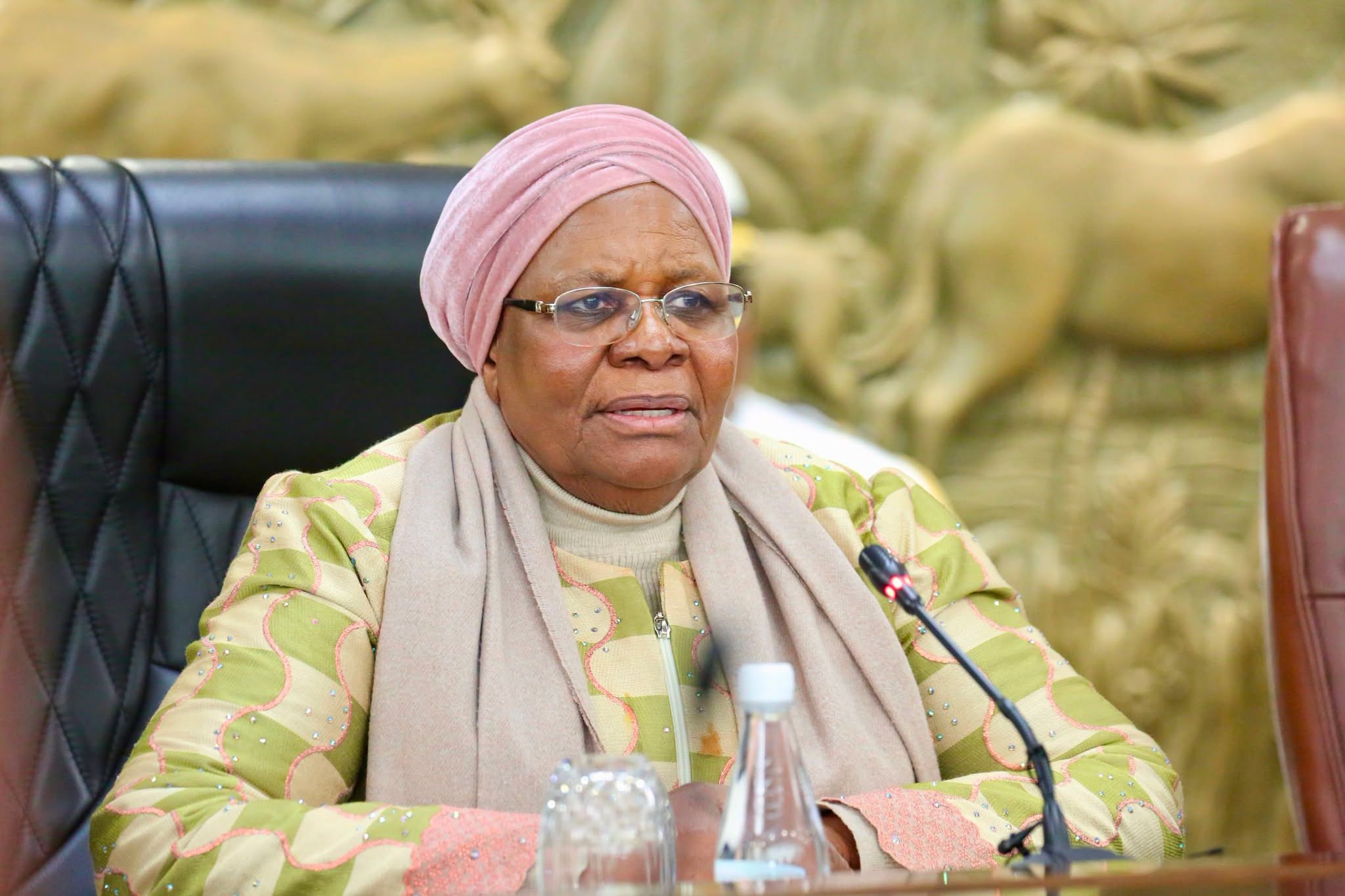
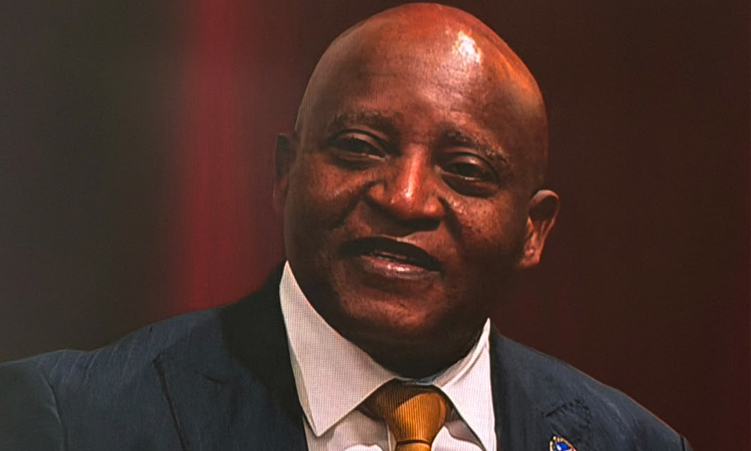
Statement by the Right Honourable Dr. Tjitunga Elijah Ngurare, Prime Minister of the Republic of Namibia, at the Colloquium commemorating the centenary of the birth of Commander-in-Chief Fidel Castro Ruz.
His Excellency Miguel Díaz-Canel Bermúdez, First Secretary of the Central Committee of the Communist Party of Cuba and President of the Republic of Cuba;
H.E. Esteban Lazo Hernández, President of the National Assembly of People’s Power;
H.E. Manuel Marrero Cruz, Prime Minister of the Republic of Cuba;
H.E. Roberto Morales Ojeda, Secretary of Organization of the Central Committee of the Communist Party of Cuba;
H.E. Bruno Rodríguez Parrilla, Minister of Foreign Affairs;
H.E. Lebbius Tangeni Tobias, Namibian Ambassador to Cuba;
Comrades, Ladies and Gentlemen,
I bring warm greetings of solidarity from Her Excellency Dr. Netumbo Nandi-Ndaitwah, First Female President of the SWAPO Party and of the Republic of Namibia. I also bring fraternal greetings from your friends, from your families, namely, the peaceloving people of Namibia.
As you may recall, Her Excellency President Nandi-Ndaitwah demonstrated this solidarity at the United Nations, subsequently the Namibian Parliament passed a unanimous resolution in support of same. And in that number of 136 countries that recently called for the end of the economic blockade on Cuba, Namibia proudly was part of those nations. Namibia and Cuba are inseparable. The late Founding President Sam Nujoma and late El Commandante President Fidel Castro were inseparable.
Director of Ceremonies, Your Excellency,
On 13 August 2026, Commandante Fidel Alejandro Castro Ruz could have turned 100 years old. As you know, he passed on in 2016, just 10 years before turning 100. Fidel Castro was a towering icon who shaped, in many ways, the world as we see it today. He endured a lot, and his leadership changed the social and economic face of Cuba in ways it never imagined. He made the impossible possible, in sectors such as education, housing, health, and agriculture. He was a symbol of international solidarity, patriotism, an embodiment of unsurpassed courage and determination.
For us in Namibia, Commandante Fidel Alejandro Castro is a celebrated hero. No one today can talk about freedom in southern Africa without mentioning Cuba. Stories are told with vivid memories of Cuban internationalist combatants fighting side by side with Namibian and Angolan combatants under the banner of SWAPO and MPLA respectively. The aim was to safeguard Angola’s independence, while ensuring that SWAPO had a strong and dependable rear base from which to execute the armed struggle to its logical conclusion.
That heroic journey started with Operation Carlota in 1975, named after an exceptional African woman who, being a slave, led two major uprisings against colonial oppression here in Cuba. Operation Carlota lasted for 16 years, and saw more than 400 000 Cuban men and women, who carried on the legend of Carlota, taking part in major battles in southern Africa. Those heroic battles resulted in independence of Namibia in 1990, and enabling the end of apartheid in South Africa in 1994 thereby introducing first ever black rule in that country under our sister party the African National Congress.
The last leg of Operation Carlota was the famous Battle of Cuito Cuanavale, which shattered apartheid South Africa’s military myth. To date, Operation Carlota occupies a brilliant, clean and honourable page in the history of solidarity amongst peoples, and in the history of internationalism. Cuito Cuanavale is an eternal flame that will not die out. Cuba might be some 11 000 km away, but, for us in Namibia, that bond of solidarity between our two nations knows no distance. It is a bond soaked in blood and sweat. No one can erase it from our memories. We are here to express our solidarity with the people of Cuba.
Director of Ceremonies,
In Fidel Castro’s own words: “Our country is not just Cuba. Our country is also humanity.” For many countries in the Third World, especially in Africa, Cuba was a reliable partner during the dark days of our collective struggle for independence. That is what our leaders taught us when my generation was young. That is what we observed growing up.
Cuba supported Namibia against apartheid colonialism. Cuba did so for other countries in Africa. The blood of Cubans watered the freedom of Namibia and others in Southern Africa. Cuba’s aim for doing so was not to derive economic benefits. It was purely to promote human rights of the struggling Africans against Apartheid colonialism.
We must, therefore, not shy away from supporting Cuba during its dark days. And those new friends we now have after independence, if they are friends indeed, must equally not expect us to abandon Cuba. That, we will never do. It is, indeed, inhuman and immoral for them to expect us to do so.
Let us all summon the courage of our moral conviction to continue supporting Cuba. We owe it to posterity to do so. Our moral compass demands it. The Charter of the United Nations demands it. The humanity of the international community must be summoned through the United Nations to ensure that the children in Cuba, the women, the men, the elders and the young people in Cuba, are guaranteed the freedom to live in peace and to govern themselves, just like all other nations do.
That is the sacred call we must collectively make as human beings. In 2026, let no Member of the United Nations fan the flames of war and suffering in Cuba, let us all as international community export our humanity to Cuba, not suffering, not interference and not collective punishment.
As we speak today, Cuba is under siege, bleeding under the US-imposed economic embargo now for more than 66 years. Our brothers and sisters in Cuba are deliberately being choked to death. This siege represents an inhuman comprehensive web on all trade and financial transactions, all designed and aimed at choking Cuba’s economy, and force it into submission.
Towns and villages can go for days without power. Hospitals are without critical medicines. Surgeries are often suspended due to medical shortages and power outages. Sanctions designed to kill people especially the innocent and vulnerable in this manner is a silent genocide. And it is a humanitarian crisis that comes with unprecedented social and economic hardships.
As I conclude, two days ago, I met with Namibian students studying in Cuba. One by one, they explained the effects of the embargo on them and the ordinary students all over Cuba. It is clear that in 2026, there is no justification for Cuba to be subjected to the inhuman embargo instead of the path for dialogue and peaceful coexistence.
Therefore, given our history, we must stand in solidarity with the people of Cuba and its legitimate government, led by President Miguel Diaz-Canel Bermúdez. Cuba stood with us in our struggle for independence. When many turned away from us and supported apartheid South Africa, Cuba stood firm with us.
To honour the legacy of Commandante Fidel Alejandro Castro Ruz, we call on the UN to use all the powers it has to force the US to lift its embargo on Cuba. Namibia, under Her Excellency, President Netumbo Nandi-Ndaitwah, will do all it can, as it has always done, to help Cuba withstand and weather the life-threatening storms that come with this embargo.
We are therefore here to reaffirm that Cuba is not alone. We shall never forget Operation Carlota. Cubans died and shed their precious blood for our freedom. We stand by Cuba, as a matter of principle and humanity.
I thank you / Muchas gracias.