




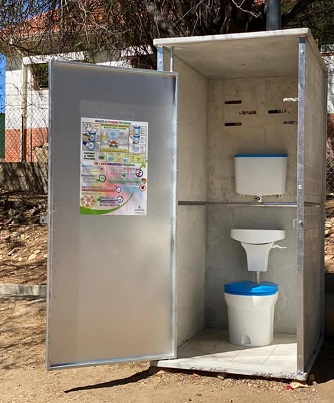
Informal traders in some major towns are operating without basic sanitation, secure storage and adequate trading space, with some forced to pay to use toilets while others resort to using bushes.
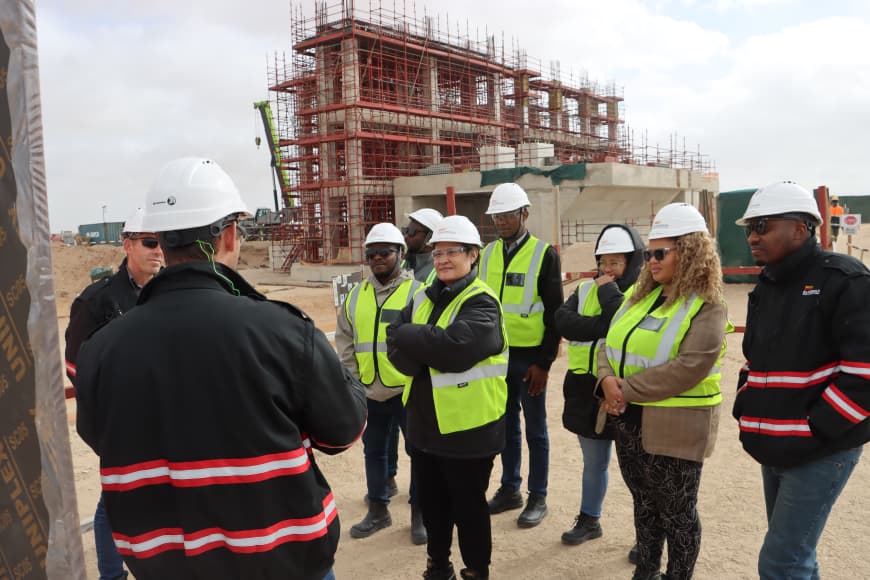
This is among the findings of the parliamentary standing committee on economy and industry, public administration and planning report, following oversight visits to informal traders and small and medium enterprises (SMEs) at Okahandja, Windhoek, Swakopmund and Keetmanshoop.
The report was tabled last week in the National Assembly by the committee’s chairperson, Iipumbu Shiimi.
The committee conducted the visits between October 2025 and January 2026 to assess the conditions and challenges facing informal traders and SME operators.
It found that all four towns face significant water, sanitation and ablution challenges at informal trading sites.
At Swakopmund’s open market, traders reportedly pay N$5 to use ablution facilities, while traders at the Epandulo SME Centre at Okahandja told the committee they sometimes use the bushes because of inadequate facilities.
“Ablution facilities at most informal trading premises at Okahandja and Windhoek are either in poor condition or non-existent,” reads the report.
The committee also found that traders at some sites lack permanent infrastructure and storage, forcing them to pack and unpack their goods daily, increasing the risk of stock damage and losses.
Windhoek has approximately 3 000 traders operating from various developed and undeveloped sites, including approved and unauthorised locations.
The City of Windhoek has identified additional sites for informal trading, but development is being hampered by a lack of central government infrastructure funding and rapid urban migration, says the report.
The committee found that Windhoek has struggled to identify suitable trading locations while balancing the interests of informal traders and formal businesses.
At Semi Mall Market in the central business district, traders have raised concerns about security, poor maintenance and the absence of gender-segregated toilets.
Shiimi says the committee observed broken paving and footpaths, poor cleanliness and inadequate storage facilities.
He says Okahandja faces similar problems, saying traders at the Epandulo SME Centre reportedly operate in small spaces with non-operational ablution facilities.
“At Mbangula market, traders have pooled their own money to employ a night watchman to protect their stock,” he says.
Meanwhile, the Okahandja council has allocated N$250 000 in the 2025/26 financial year for the first phase of a proposed new open market, which is expected to accommodate about 100 traders.
At Keetmanshoop, the committee found that infrastructure exists but is not always operational.
The report says the open market is largely unusable because strong winds damage goods, while the !Homs Ai Community Market has remained locked following a water disconnection in October 2023.
The report states that the Namibia Industrial Development Agency owed the Keetmanshoop municipality N$4.1 million for water, utilities, rates, taxes and electricity by March.
The committee also found limited access to finance and business training, as many informal traders rely on personal savings or small loans from family and friends, while some lack the documentation needed to access formal financial services.
RECOMMENDATIONS
The committee has recommended increased central government funding for trading infrastructure, including water, ablution facilities, electricity, secure storage and waste collection.
It also wants authorities to prioritise infrastructure where traders already operate, arguing that relocating traders without considering existing customer bases could undermine their businesses.
The committee further recommends improved access to credit, microfinance and business training, as well as stronger data management and measures to support the transition from informal to formal trading.